

Specialized talent / Agentic product designDesign expertise. Technical backgrounds.
Agentic product
designers.
Embed specialized designers who understand your technology, your users and your business. Build clear interfaces, then measure how they perform.
Agent workflowsFunctional prototypesDesign engineering

Designers joining Aura
01—02
Meet the person. Review the work. Agree on the fit.
Experience across enterprise teams and global brands






Selected career experience of professionals behind Aura, including employment and consulting work. Prior experience does not imply an Aura client relationship.
01 / Specialized expertiseFrom agent behavior
From agent behavior
to working interfaces.
Six specialties. One technical foundation.
01 / Agentic experiencesBuild an agentic product
Agentic Product Designer
Make autonomous actions understandable, reviewable and recoverable.

FramePlanAlign
Scope & deliverables
Design how people give agents tasks, review their plans and stay in control of actions, permissions and recovery.
- Agent interaction and decision flows
- Approval, progress and recovery states
- Interactive prototype and behavior specs
02 / Enterprise workflowsSimplify a complex platform
Technical Product Designer
Bring clarity to visual builders, integrations and complex system states.
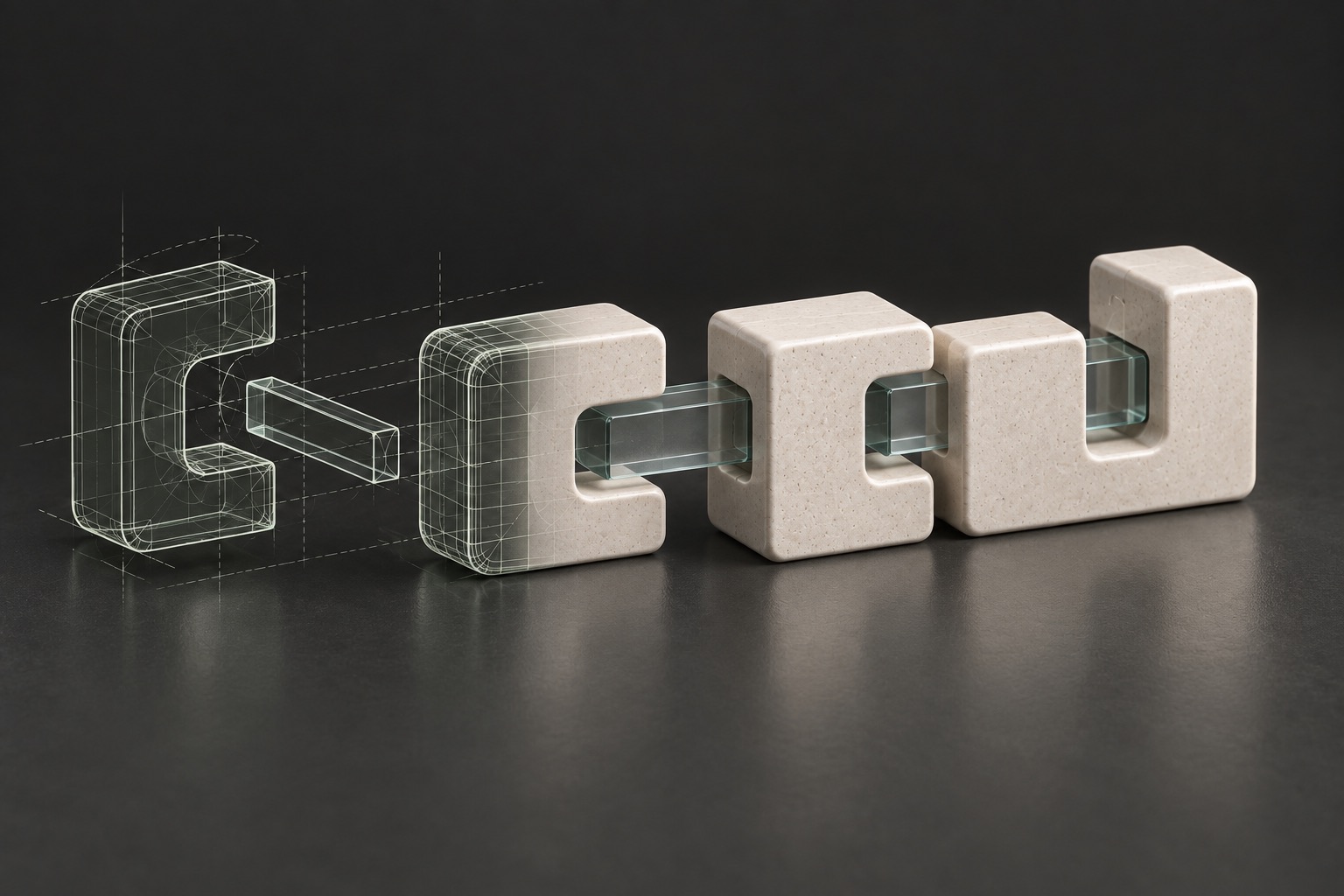
DecomposeOrderConnect
Scope & deliverables
Make complex workflows easier to use: visual builders, integrations, monitoring and admin tools with real system constraints.
- Current and proposed workflow maps
- Role, permission and system-state specs
- Testable workflow prototype
03 / Design engineeringTurn designs into working UI
Design Engineer
Explore behavior in code before committing to implementation.
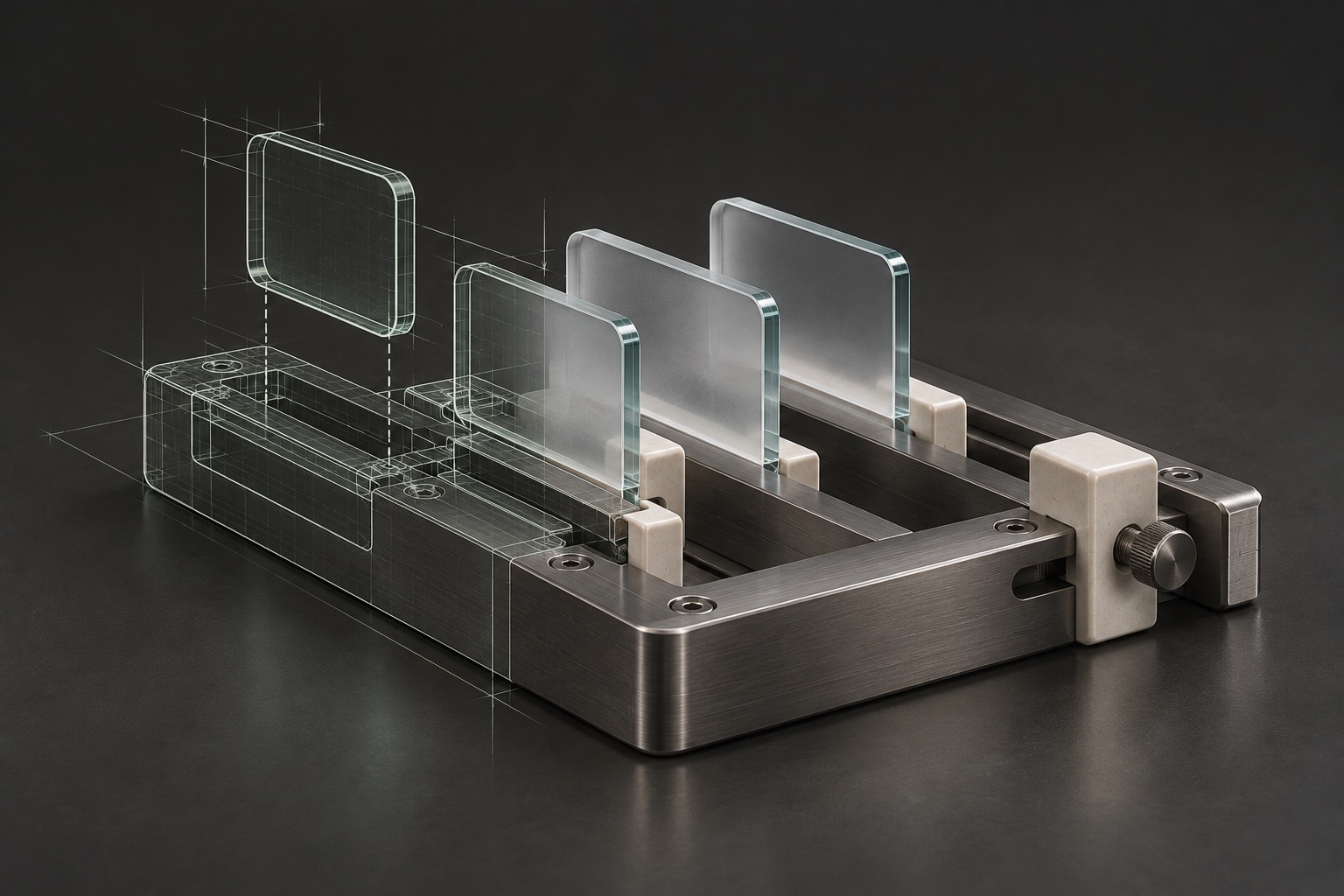
SpecifyPrototypeBuild
Scope & deliverables
Explore and build interactions in code, with realistic API states and reusable UI components, alongside your engineers.
- Coded React / TypeScript prototypes
- UI components and interaction states
- Implementation notes and design QA
04 / Design systemsMake your design system AI-ready
Design Systems Specialist
Give people and AI tools the same reusable UI foundations.
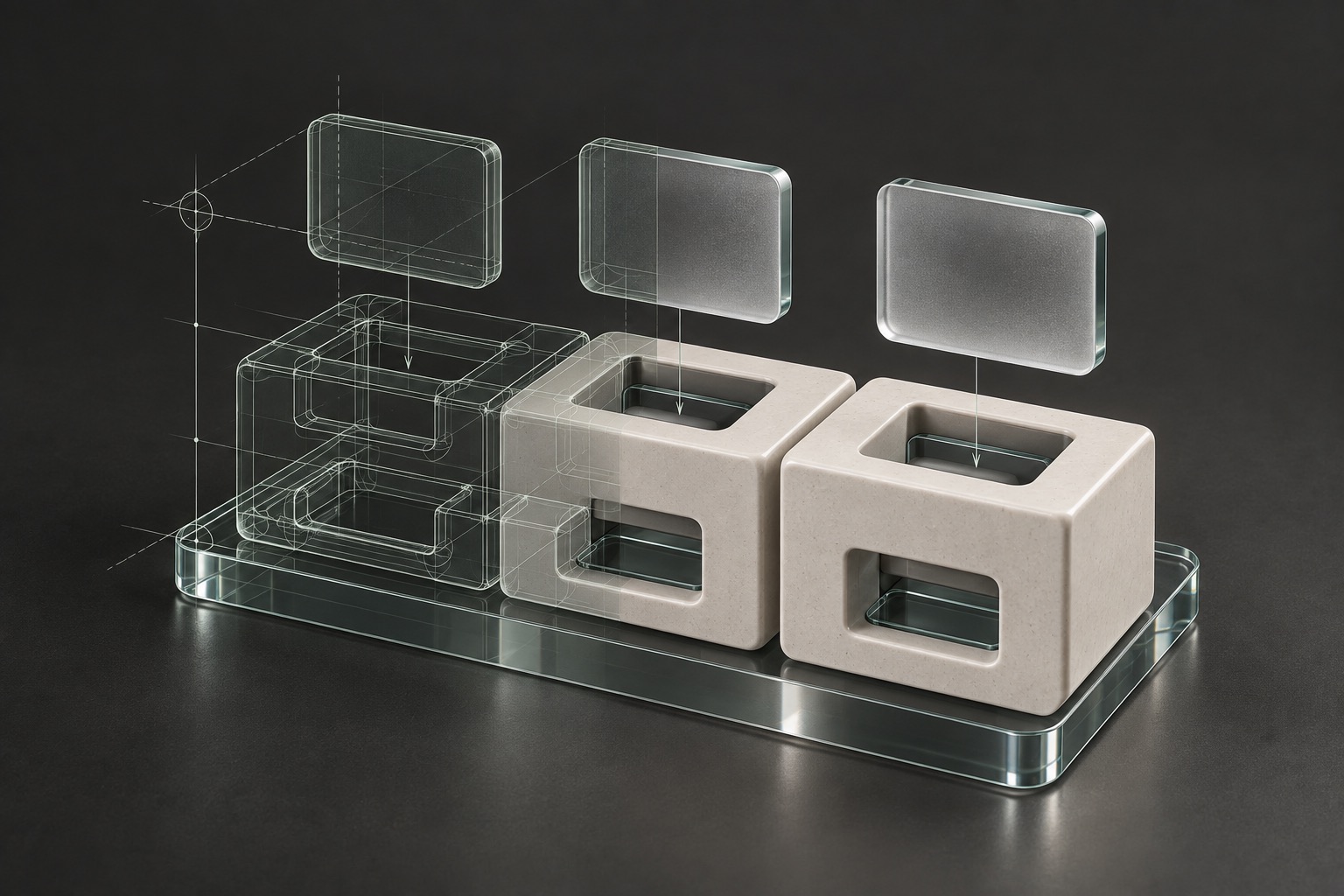
DefineComposeReuse
Scope & deliverables
Connect design and code with components, tokens and accessible patterns. Document their use for your team and AI coding tools.
- Component library and design tokens
- Accessible patterns and usage rules
- AI-readable docs and code mapping
05 / Research & validationTest how people use your AI
AI UX Researcher
Find where understanding, trust and usability break down.
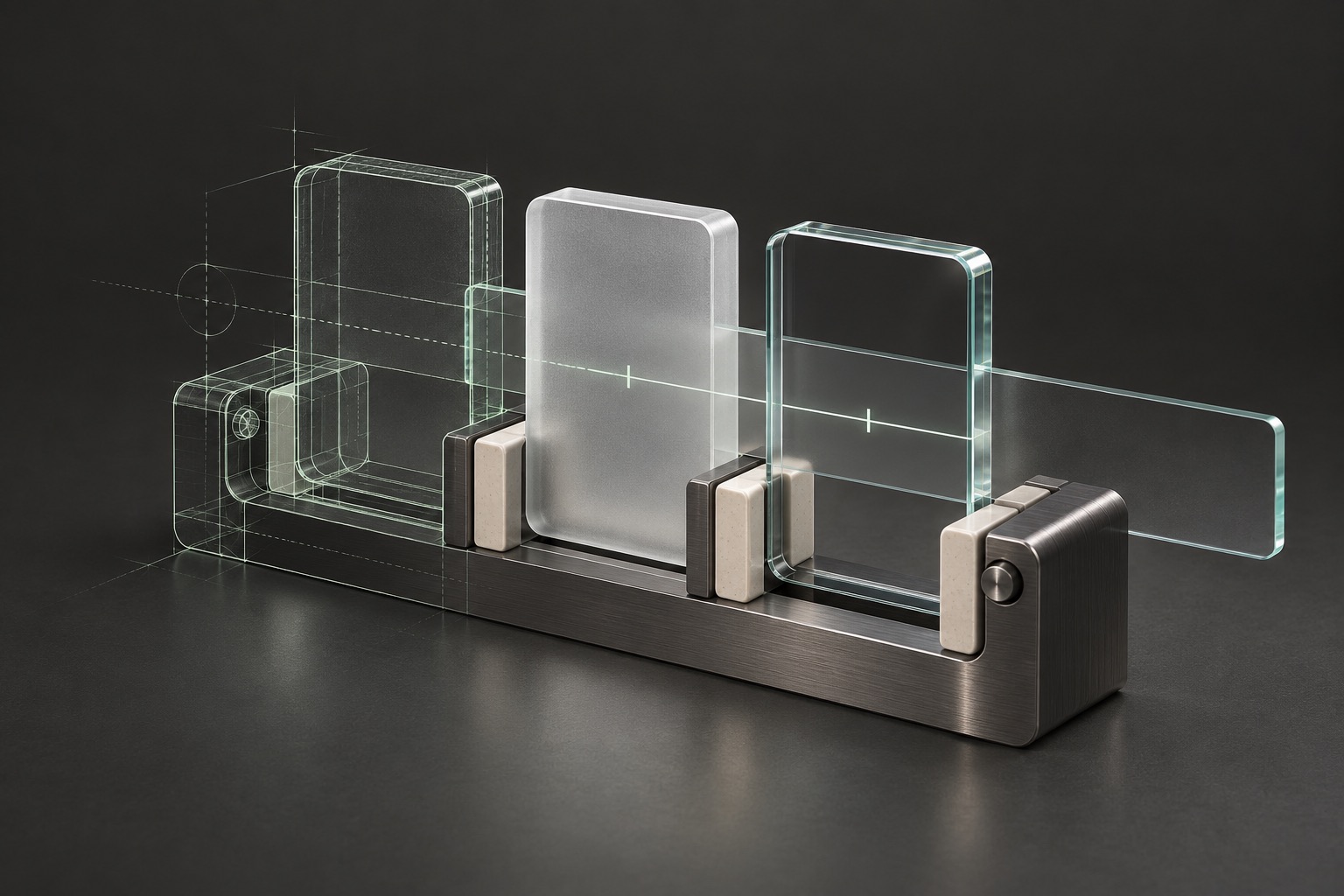
ObserveCompareValidate
Scope & deliverables
Study real user tasks, understanding and trust. Test the main flow and failure scenarios to find what needs to change.
- Research plan and task scenarios
- Usability studies with agreed participants
- Findings and prioritized design changes
06 / AI design operationsImprove how your team designs with AI
AI DesignOps Specialist
Build a repeatable design practice with AI and human review.
OrganizeReviewDeliver
Scope & deliverables
Set up repeatable design workflows with approved AI tools, reusable templates and clear human review before delivery.
- Design workflow assessment
- AI-assisted templates and working guides
- Review checklist and adoption plan
Embedded in your team
How we define the scope
Start with one need or combine roles. Relevant experience, availability and deliverables are confirmed for your engagement. Research participant access and engineering responsibilities are agreed with your team. We assess agentic design experience, technical understanding, work samples and collaboration.
02 / Hiring & onboardingA clear path
A clear path
into your team.
Define the role, review the work and agree on the engagement. Then bring the designer into your team's delivery process.
01 / Role definition
Start with the product problem.
We connect the user problem, technical constraints and business goal. Then agree on the role and how progress will be measured.
02 / Technical fit
Review the work with the designer.
Review a proposed profile, relevant work and availability. Meet the designer and discuss a scenario from your product.
03 / Engagement agreement
Make the working agreement clear.
Confirm the scope and commercial terms before work begins. Define how the designer will work with your team.
04 / Onboarding & delivery
Join the team. Review the first work.
The designer works in your tools and follows your delivery rhythm. Your team sets priorities and reviews the work directly.
Start with your product briefYour team stays in control
Scope, availability, deliverables and review points are confirmed in your engagement proposal.
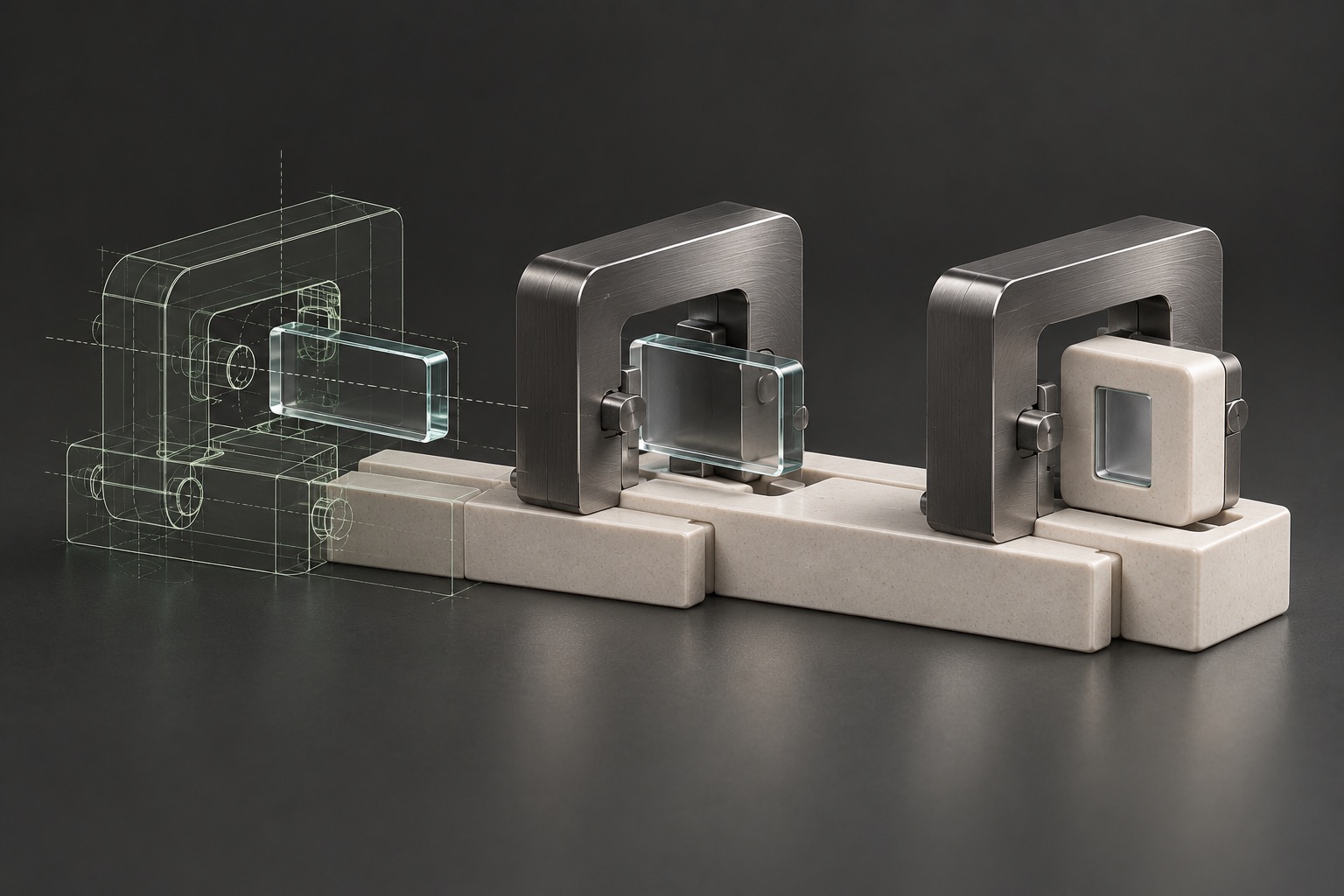
03 / From understanding to executionFrom blueprint
From blueprint
to clear interfaces.
Understand the system. Build with purpose. Measure the change in use.
Technology
APIs & constraints
Users
Tasks & decisions
Stakeholders
Goals & tradeoffs
AURA / ACTION REVIEW
YOUR REQUEST
Label the three reviewed tasks as ready for design.
Review the proposed change
I will update the status of three tasks to “Ready for design”. Task owners and due dates will stay the same.
Example with fictional tasks. No external data or tools are connected.
Try it: change the scope, then approve the sample action.
01 / Understand
One shared blueprint.
Map the technology, user needs and stakeholder goals. Make constraints and success measures clear.
02 / Build
Work through the details.
Prototype the main flow, permissions and recovery. Test with users and build alongside engineering.
03 / Measure
Follow the work into use.
Review the agreed signals after release. Use what changes to guide the next design decision.
Execution tied to outcomes
Measure what changes.
Set a baseline. Agree on targets. Review after release.
Fewer UX support tickets
Track UX-related support requests relative to active users over comparable periods. Review recurring causes with support and product teams.
More successful tasks
Measure completion, errors and time on key tasks. Compare the same workflows and user groups before and after the change.
Less implementation rework
Review reopened UX defects and clarification requests during delivery. Use the findings to improve specifications, components and design QA.
04 / Engagement details
About the engagement.
How does an embedded designer work with our team?
A designer works within your product team for an agreed amount of time. Your team sets priorities and collaborates directly with the designer. The engagement defines capacity and responsibilities, rather than a fixed bundle of screens.
Is Aura only for AI features?
Our focus is agentic product design with a technical foundation. The role can cover the surrounding product workflows and design system when they are part of that work.
How do we evaluate a designer's technical fit?
Review a relevant case with the designer and discuss a scenario from your product. Look at how they explain agent behavior, APIs, permissions and failure states. A functional prototype and clear implementation decisions help you assess the work beyond the screens.
Can we start with a focused scope?
Yes. We can define an initial workflow and agree on the evidence to review: for example, a functional prototype and interaction specifications. Capacity, cost, duration and the first review point are confirmed in the engagement terms.
What happens after onboarding?
Your team sets the priorities and reviews the designer's work directly. At agreed review points, you discuss progress, feedback, open technical decisions and the next scope. Any changes to capacity or terms are agreed together.
How are AI tools and company data handled?
AI tools and data use follow your approved policies. Access and confidentiality are agreed before work begins. The designer reviews AI-assisted work; research with real users remains a separate activity.
When can a designer start, and what will it cost?
We confirm availability after discussing the role. Rates and start dates depend on the designer, capacity and engagement requirements. You receive written terms before work begins.
05 / Start your design briefLet’s build
Let’s build
your team.
Start with the work you need. We’ll define the role and review relevant profiles together.
hello@auraby.designAura is preparing to launch. Availability, rates and start dates are confirmed for each engagement.
Your team / Your priorities
Email your brief
Suggested role
Scope & deliverables
Add project details Optional
Opens an email draft you can review and send. Role fit, availability and scope are confirmed together.